

Okra vs Corn: Calories & Nutrition Showdown

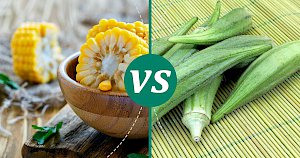
Okra vs Corn
Nutrition Facts
Serving size:
change
5g10g15g20g30g40g50g60g80g100g120g140g160g180g200g220g250g300g350g400g450g500g600g700g800g900g1000g
1oz2oz3oz4oz5oz6oz7oz8oz10oz12oz15oz20oz25oz30oz35oz40oz50oz
Amount Per Serving:
Serving size:
change
5g10g15g20g30g40g50g60g80g100g120g140g160g180g200g220g250g300g350g400g450g500g600g700g800g900g1000g
1oz2oz3oz4oz5oz6oz7oz8oz10oz12oz15oz20oz25oz30oz35oz40oz50oz
Amount Per Serving:
Okra vs Corn 100g Compare
| per 100g | Okra | Corn |
|---|---|---|
| Calories | 33 | 86 |
| Carbohydrates | 7.5 g | 14.69 g |
| Fat | 0.1 g | 1.63 g |
| Dietary fiber | 3.8 g | 2.43 g |
| Protein | 2 g | 2.79 g |
| Calcium | 81 mg | 0.656 mg |
| Iron | 0.8 mg | 0.388 mg |
| Magnessium | 57 mg | 25.76 mg |
| Phosphorus | 63 mg | 2.513 mg |
| Potassium | 303 mg | 237 mg |
| Zink | 0.6 mg | 2.513 mg |
| Vitaminium A | 375 µg | 187 µg |
| Vitaminium B1 (Thiamine) | 0.2 mg | 0.079 mg |
| Vitaminium B2 (riboflavin) | 0.06 mg | 0.138 mg |
| Vitaminium B3 (Niacin) | 1 mg | 1.593 mg |
| Vitaminium B5 | 0.245 mg | 0.717 mg |
| Vitaminium B6 | 0.215 mg | 0.15 mg |
| Vitaminium B9 (Folic acid) | 88 mg | 42 mg |
| Vitaminium C | 21.1 mg | 6.8 mg |
| Vitaminium E | 0.36 mg | 0.07 mg |
| Vitaminium K | 53 µg | 0.3 µg |
| Beta karoten | 225 mg | 16 mg |

A Closer Look at Okra and Corn: A Tale of Two Veggies
When it comes to choosing vegetables for your diet, the variety can be overwhelming. Among the plethora of options, okra and corn stand out for their unique flavors, textures, and nutritional profiles. While both are staples in cuisines around the world, they serve very different roles in the kitchen and on the nutrition chart. Let's dive into the fascinating worlds of okra and corn, exploring their nutritional benefits and culinary uses, to help you make an informed decision next time you're planning your meals.
Okra: The Green Gem
Okra, often referred to as "lady's fingers" due to its long, slender shape, is a powerhouse of nutrients. It's low in calories, with just 33 calories per 100 grams, making it an excellent choice for those looking to manage their weight. Okra is also rich in dietary fiber (3.8g), which aids in digestion and helps maintain a healthy gut. Moreover, it's packed with vitamins and minerals, including vitamin C, vitamin K, magnesium, and potassium, supporting overall health and wellness.
But okra's benefits don't stop there. It's a great source of antioxidants, which are compounds that fight off free radicals and reduce inflammation. The vegetable's high content of vitamins A and C, along with magnesium, contribute to its antioxidant properties, making okra a smart addition to any diet.
Corn: A Versatile Staple
Corn, on the other hand, is known for its sweet taste and satisfying crunch. With 86 calories per 100 grams, it's a bit higher in energy than okra but still a healthy choice in moderation. Corn is a good source of carbohydrates (18.7g), providing the necessary fuel for your body's daily activities. It also contains fiber (2g), though less than okra, and a variety of vitamins and minerals, including vitamin B3 (niacin), phosphorus, and vitamin B5 (pantothenic acid).
One of corn's standout features is its versatility in the kitchen. It can be boiled, grilled, roasted, or popped, and is a common ingredient in salads, soups, and casseroles. Corn also brings a unique texture and sweetness to dishes, enhancing flavors and adding depth.
Nutritional Comparison: Okra vs. Corn
When comparing okra and corn side by side, it's clear that both have their own set of nutritional benefits. Okra is lower in calories and higher in dietary fiber, making it ideal for weight management and digestive health. It also boasts a higher content of vitamins and minerals, such as vitamin C, vitamin K, and magnesium, contributing to its antioxidant properties.
Corn, while higher in calories, provides a significant amount of carbohydrates for energy. It also offers a decent amount of protein (3.27g) and is a good source of certain B vitamins, which are essential for energy metabolism and brain health.
Both vegetables contain no cholesterol and are low in fat, aligning with a heart-healthy diet. However, okra might be the better option for those looking to increase their intake of fiber and antioxidants, while corn can be a delicious and energy-boosting addition to meals for those needing a carbohydrate boost.
Conclusion: A Place for Both on Your Plate
In the end, choosing between okra and corn doesn't have to be an either/or decision. Both vegetables offer unique flavors, textures, and nutritional benefits that can complement a balanced diet. Whether you're drawn to the slimy yet satisfying texture of okra or the sweet crunch of corn, incorporating a variety of vegetables into your meals is key to a healthy, well-rounded diet. So next time you're at the market, why not pick up both and enjoy the best of what these two fantastic veggies have to offer?
Okra 100g
33kcalCalories source
- 77% CARBS.
- 21% PROTEIN
- 2% FAT
Corn 100g
86kcalCalories source
- 69% CARBS
- 13% PROTEIN
- 17% FAT
100g | ounce | single piece | tablespoon | teaspoon | cup | half cup | small can | medium can
Compares of okra
- Okra vs Asparagus
- Okra vs Beetroot
- Okra vs Bitter Melon
- Okra vs Bok Choy
- Okra vs Broccoli
- Okra vs Brussels Sprouts
- see all compares of okra
Marcin Piotrowicz
calories-info.com creator
Healthy diet and healthy lifestyle promoter
Add comment