

Feta Cheese vs Mascarpone Cheese: Nutrition & Calories Compare

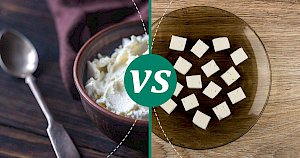
Feta cheese vs Mascarpone
Nutrition Facts
Serving size:
change
5g10g15g20g30g40g50g60g80g100g120g140g160g180g200g220g250g300g350g400g450g500g600g700g800g900g1000g
1oz2oz3oz4oz5oz6oz7oz8oz10oz12oz15oz20oz25oz30oz35oz40oz50oz
Amount Per Serving:
Serving size:
change
5g10g15g20g30g40g50g60g80g100g120g140g160g180g200g220g250g300g350g400g450g500g600g700g800g900g1000g
1oz2oz3oz4oz5oz6oz7oz8oz10oz12oz15oz20oz25oz30oz35oz40oz50oz
Amount Per Serving:
Feta Cheese vs Mascarpone 100g Compare
| per 100g | Feta cheese | Mascarpone cheese |
|---|---|---|
| Calories | 265 | 429 |
| Carbohydrates | 3.88 g | 3.57 g |
| Fat | 21.49 g | 42.86 g |
| Protein | 14.21 g | 3.57 g |
| Calcium | 493 mg | 143 mg |
| Sodium | 1139 mg | 54 mg |
| Vitaminium A | 422 µg | 1786 µg |

Discover the Unique Tastes and Textures of Feta and Mascarpone Cheese
Cheese lovers around the world celebrate the vast array of flavors, textures, and culinary possibilities that different cheeses offer. Among the plethora of options, Feta and Mascarpone stand out for their distinctive characteristics and versatility in the kitchen. While Feta is known for its crumbly texture and tangy taste, Mascarpone delights with its creamy richness. Let's dive into the fascinating world of these two beloved cheeses, exploring their origins, nutritional profiles, and culinary uses.
A Tale of Two Cheeses: Feta's Briny Beginnings and Mascarpone's Luxurious Roots
Feta cheese, with its roots deeply embedded in Greek history, is celebrated for its robust flavor and firm yet crumbly texture. Traditionally made from sheep's milk, or a blend of sheep and goat's milk, Feta is a staple in Greek cuisine, embodying the essence of Mediterranean flavors. Its salty, tangy profile makes it an excellent addition to salads, pies, and sandwiches.
On the other hand, Mascarpone hails from the Lombardy region of Italy, known for its smooth, buttery texture that melts in the mouth. Unlike Feta, Mascarpone is made from cream, resulting in a cheese that's rich and indulgent. Its mild, slightly sweet flavor makes it a favorite in desserts, most notably in the classic Italian tiramisu, as well as in savory dishes.
Nutritional Nuances: A Glimpse into Health Benefits
When comparing the nutritional aspects of Feta and Mascarpone, it's clear that both cheeses offer unique benefits. Feta cheese, with 265 calories per 100 grams, is lower in calories than Mascarpone, which boasts a hefty 429 calories for the same amount. This is largely due to Mascarpone's higher fat content, at 42.86 grams, compared to Feta's 21.49 grams.
However, Feta shines in the protein department, offering 14.21 grams per 100 grams, making it a good choice for those seeking to add more protein to their diet. Mascarpone, with just 3.57 grams of protein, falls short in this area but makes up for it with a higher vitamin A content, essential for vision and immune function.
Both cheeses have their place in a balanced diet, with Feta being a great option for those mindful of calorie intake, and Mascarpone suited for those indulgent moments that call for a rich, creamy texture in desserts or sauces.
Culinary Creations: From Salads to Sweets
The culinary applications of Feta and Mascarpone are as diverse as their origins. Feta's crumbly nature and tangy taste make it an excellent choice for adding a burst of flavor to salads, like the classic Greek salad, or baked goods, such as spanakopita. Its saltiness also pairs well with watermelon in a refreshing summer salad.
Mascarpone, with its creamy consistency, is a star in desserts. It's the key ingredient in tiramisu, lending a rich, velvety texture to this beloved sweet. Beyond desserts, Mascarpone can also elevate savory dishes, such as risottos or pasta sauces, adding a luxurious creaminess that's hard to resist.
Embracing the Diversity of Cheese
Whether you're a fan of the tangy, salty profile of Feta or the smooth, rich taste of Mascarpone, both cheeses offer a world of culinary possibilities. Their unique flavors and textures can enhance a variety of dishes, from simple salads to decadent desserts. By understanding the nutritional content and best culinary uses of Feta and Mascarpone, you can make informed choices that cater to your taste preferences and dietary needs. So, the next time you're at the cheese counter, consider the distinctive qualities of these two cheeses and how they can elevate your cooking.
Feta cheese 100g
265kcalCalories source
- 6% CARBS.
- 21% PROTEIN
- 73% FAT
Mascarpone cheese 100g
429kcalCalories source
- 3% CARBS
- 3% PROTEIN
- 93% FAT
Compares of feta cheese
- Feta Cheese vs Blue Cheese
- Feta Cheese vs Brie
- Feta Cheese vs Camembert
- Feta Cheese vs White Cheese
- Feta Cheese vs Cottage Cheese
- Feta Cheese vs Edam Cheese
- see all compares of feta cheese
Compares of mascarpone
Read also:
- Calories from Feta cheese
- Calories of Oil (sunflower)
- Calories in Dried cherries
- Vodka calories per 100g
- Veal protein per 100g
- How many calories does persian cucumber have?
- Calories in a half of celery stalk
- Calories in whole celery stalk
- Calories for one, two or more celery stalks
- Calories in tablespoon of celery stalk
- How much protein in tempeh?
Marcin Piotrowicz
calories-info.com creator
Healthy diet and healthy lifestyle promoter
Add comment