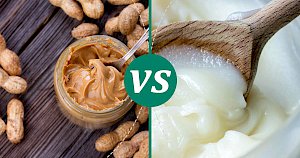
Lard vs Peanut Butter: Nutrition, Calories & Protein Compared


Lard - calories, kcal, weight, nutrition

Lard vs Peanut butter
Nutrition Facts

Lard
Serving size:
  change
tablespoon (12g)teaspoon (4g)slice (18g)cup (205g)half cup (102.5g)
5g10g15g20g30g40g50g60g80g100g120g140g160g180g200g220g250g300g350g400g450g500g600g700g800g900g1000g
1oz2oz3oz4oz5oz6oz7oz8oz10oz12oz15oz20oz25oz30oz35oz40oz50oz

Amount Per Serving:
Calories

% Daily Value

Total Fat g
0%

Cholesterol mg
0%

Sodium mg
0%

Total Carbohydrates g
0%

Dietary Fiber g
0%

Sugars g

Protein g
0%

Vitaminium C mg
0%

Calcium mg
0%

Iron mg
0%

Potassium mg
0%

* The % Daily Value (DV) shows how much a nutrient in one serving of food contributes to your total daily diet. A 2000-calorie daily intake is used as a general guideline for nutrition advice.
Peanut Butter
Serving size:
  change
tablespoon (20g)teaspoon (7g)cup (258g)half cup (129g)
5g10g15g20g30g40g50g60g80g100g120g140g160g180g200g220g250g300g350g400g450g500g600g700g800g900g1000g
1oz2oz3oz4oz5oz6oz7oz8oz10oz12oz15oz20oz25oz30oz35oz40oz50oz

Amount Per Serving:
Calories

% Daily Value

Total Fat g
0%

Cholesterol mg
0%

Sodium mg
0%

Total Carbohydrates g
0%

Dietary Fiber g
0%

Sugars g

Protein g
0%

Vitaminium C mg
0%

Calcium mg
0%

Iron mg
0%

Potassium mg
0%

* The % Daily Value (DV) shows how much a nutrient in one serving of food contributes to your total daily diet. A 2000-calorie daily intake is used as a general guideline for nutrition advice.

Lard vs Peanut Butter 100g Compare


per 100gLardPeanut butter
Calories898 589
Fat99.5 g49.94 g
Protein0.07 g24.06 g
Water0.25 g1.14 g
Calcium1 mg45 mg
Iron0.13 mg1.9 mg
Phosphorus11 mg0.5 mg
Potassium15 mg745 mg
Sodium27 mg486 mg
Zink11 mg0.5 mg
Vitaminium B1 (Thiamine)0.004 mg0.106 mg
Vitaminium B2 (riboflavin)0.015 mg0.111 mg
Vitaminium B3 (Niacin)0.725 mg13.696 mg
Vitaminium B60.005 mg0.418 mg

When it comes to kitchen staples, few ingredients stir up as much debate as the choice between lard and peanut butter. Both have been around for centuries, each with its own fascinating history and array of uses. Lard, once a symbol of wealth and prosperity, fell out of favor in the 20th century but is now enjoying a renaissance among chefs and home cooks alike for its unparalleled flavor and cooking properties. Peanut butter, on the other hand, has been a beloved staple in American households since the early 1900s, known for its rich taste and nutritional benefits. But how do these two fats really compare beyond their calorie count and macronutrient composition? Let's dive deeper into the world of lard and peanut butter.

A Tale of Two Fats

Lard, rendered pork fat, is celebrated for its high smoke point and the flaky, flavorful results it produces in baking. Its nearly pure fat content makes it a powerhouse for frying and sautéing. Peanut butter, made from ground, roasted peanuts, offers a creamy or crunchy option that's versatile enough for everything from sandwiches to sauces. But the differences between these two go beyond texture and use.

Nutritional Nuances

At first glance, the nutritional data presents a stark contrast. Lard boasts a high calorie and fat content, with a notable absence of carbs, fiber, and protein. Peanut butter, while also high in calories, provides a balance of carbs, fiber, and a significant amount of protein. The absence of cholesterol in peanut butter makes it a heart-healthier option, while its high potassium content supports muscle and nerve function. Conversely, lard's vitamin A content, though minimal, contributes to skin and vision health.

Yet, it's essential to look beyond the numbers. The type of fat in each matters greatly. Lard contains a higher proportion of saturated fats, which, when consumed in moderation, can fit into a balanced diet. Peanut butter's fats are primarily unsaturated, known for their heart-healthy benefits. However, the presence of trans fats in some commercial peanut butters due to hydrogenation is a concern for cardiovascular health, making the choice of natural, unsweetened varieties crucial.

Environmental and Ethical Considerations

The production of lard and peanut butter also brings environmental and ethical considerations into play. The sustainability of pork production for lard can vary greatly depending on farming practices, with concerns about animal welfare and the use of antibiotics and growth hormones. Peanut farming, while less intensive in terms of animal welfare, has its own challenges, including water usage, pesticide application, and the impact on soil health. Consumers increasingly seek out responsibly sourced products, whether it's pasture-raised pork for lard or organically grown peanuts for their butter.

Culinary Creativity

In the kitchen, both lard and peanut butter inspire creativity. Lard is making a comeback in pie crusts, pastries, and even in frying, appreciated for the flavor and texture it imparts. Peanut butter, beyond the classic PB&J, is a staple in diverse cuisines, adding depth to sauces, dressings, and desserts. Each brings a unique set of flavors and properties that can elevate a dish in different ways.

The Verdict?

Choosing between lard and peanut butter isn't just a matter of nutrition; it's also about culinary use, personal health goals, ethical considerations, and taste preference. Whether you're drawn to the rich, savory flavor of lard for your next baking project or the creamy, nutty taste of peanut butter for a protein-packed snack, both have a place in the modern kitchen. By understanding the nuances of each, you can make informed choices that align with your dietary needs and culinary adventures.

Lard 100g

898kcal

Calories source

  • 0% CARBS.
  • 0% PROTEIN
  • 100% FAT

Peanut butter 100g

589kcal

Calories source

  • 14% CARBS
  • 15% PROTEIN
  • 71% FAT
Marcin Piotrowicz
Author of this page
Marcin Piotrowicz

calories-info.com creator
Healthy diet and healthy lifestyle promoter

All information about nutrition on this website was created with help of information from the official United States Department of Agriculture database.

Add comment