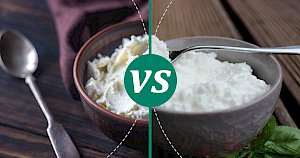
Cottage Cheese vs Mascarpone Cheese: Nutrition & Calories Compare


Cottage cheese - calories, kcal, weight, nutrition

Cottage cheese vs Mascarpone
Nutrition Facts

Cottage Cheese
Serving size:
  change
one cottage cheese (200g)tablespoon (14g)teaspoon (5g)cup (226g)half cup (113g)
5g10g15g20g30g40g50g60g80g100g120g140g160g180g200g220g250g300g350g400g450g500g600g700g800g900g1000g
1oz2oz3oz4oz5oz6oz7oz8oz10oz12oz15oz20oz25oz30oz35oz40oz50oz

Amount Per Serving:
Calories

% Daily Value

Total Fat g
0%

Cholesterol mg
0%

Sodium mg
0%

Total Carbohydrates g
0%

Dietary Fiber g
0%

Sugars g

Protein g
0%

Vitaminium C mg
0%

Calcium mg
0%

Iron mg
0%

Potassium mg
0%

* The % Daily Value (DV) shows how much a nutrient in one serving of food contributes to your total daily diet. A 2000-calorie daily intake is used as a general guideline for nutrition advice.
Mascarpone
Serving size:
  change
tablespoon (28g)teaspoon (9g)cup (120g)half cup (60g)
5g10g15g20g30g40g50g60g80g100g120g140g160g180g200g220g250g300g350g400g450g500g600g700g800g900g1000g
1oz2oz3oz4oz5oz6oz7oz8oz10oz12oz15oz20oz25oz30oz35oz40oz50oz

Amount Per Serving:
Calories

% Daily Value

Total Fat g
0%

Cholesterol mg
0%

Sodium mg
0%

Total Carbohydrates g
0%

Dietary Fiber g
0%

Sugars g

Protein g
0%

Vitaminium C mg
0%

Calcium mg
0%

Iron mg
0%


* The % Daily Value (DV) shows how much a nutrient in one serving of food contributes to your total daily diet. A 2000-calorie daily intake is used as a general guideline for nutrition advice.

Cottage Cheese vs Mascarpone 100g Compare


per 100gCottage cheeseMascarpone cheese
Calories98 429
Carbohydrates3.38 g3.57 g
Fat4.3 g42.86 g
Protein11.12 g3.57 g
Calcium83 mg143 mg
Sodium315 mg54 mg
Vitaminium A140 µg1786 µg

Discover the World of Cheeses: Cottage Cheese vs. Mascarpone

When it comes to the vast universe of cheeses, each variety brings its unique texture, taste, and nutritional profile to the table. Among the plethora of options, cottage cheese and mascarpone stand out for their distinctive characteristics and culinary uses. Let's delve into the intriguing world of these two cheeses, shedding light on their nutritional content while exploring their versatile roles in recipes.

A Closer Look at Cottage Cheese

Cottage cheese, with its mild flavor and chunky texture, is a staple in many health-conscious diets. It's a fresh cheese curd product with a low calorie count of approximately 98 calories per 100 grams. This makes it a favorite among fitness enthusiasts and those looking to maintain or lose weight. Cottage cheese is also rich in protein, boasting about 11.12 grams per serving, which supports muscle repair and growth. Furthermore, its calcium content contributes to bone health, making it a nutritious addition to your diet.

Mascarpone: The Creamy Delight

On the other end of the spectrum, mascarpone is a cream cheese known for its smooth, rich texture and is a key ingredient in desserts like tiramisu. Originating from Italy, this cheese has a higher calorie content, with around 429 calories per 100 grams, primarily due to its high fat content of 42.86 grams. However, it's this luxurious fat content that gives mascarpone its creamy, indulgent texture. Despite its calorie count, mascarpone is a good source of calcium and vitamin A, enhancing vision and immune function.

Nutritional Comparison

When comparing the nutritional aspects of cottage cheese and mascarpone, the differences are quite stark. Cottage cheese is the lighter option, with significantly fewer calories and fats but a higher protein content. This makes it an excellent choice for those looking to increase their protein intake without consuming too many calories. Mascarpone, with its high fat and calorie content, might be reserved for special occasions or used sparingly in recipes to add creaminess and flavor.

Both cheeses have their place in a balanced diet, with cottage cheese being more suitable for everyday consumption, while mascarpone can be enjoyed in moderation. It's worth noting that neither cheese contains fiber, and both have a small amount of sugars. However, mascarpone takes the lead in vitamin A content, thanks to its cream base.

Culinary Uses and Versatility

The culinary applications of cottage cheese and mascarpone are as diverse as their nutritional profiles. Cottage cheese can be enjoyed on its own, mixed into salads, or used as a filling for lasagnas and omelets, offering a protein-rich ingredient to meals. Its versatility also extends to breakfast dishes, where it can be paired with fruits or honey for a sweet treat.

Mascarpone, with its creamy texture, is a favorite in desserts and sweet dishes. It's the cornerstone of classic Italian desserts and can also be used to add richness to sauces and soups. Despite its indulgent nature, mascarpone can be incorporated into savory dishes, balancing flavors with its subtle sweetness.

Final Thoughts

In conclusion, both cottage cheese and mascarpone have their unique places in the culinary world, each bringing distinct textures, flavors, and nutritional benefits to the table. Whether you're looking for a healthful protein boost or a creamy addition to your dessert, understanding the differences between these two cheeses can help you make informed choices that align with your dietary preferences and culinary needs. So, the next time you're at the cheese counter, consider the versatile and delicious possibilities these cheeses offer.

Cottage cheese 100g

98kcal

Calories source

  • 14% CARBS.
  • 46% PROTEIN
  • 40% FAT

Mascarpone cheese 100g

429kcal

Calories source

  • 3% CARBS
  • 3% PROTEIN
  • 93% FAT
Marcin Piotrowicz
Author of this page
Marcin Piotrowicz

calories-info.com creator
Healthy diet and healthy lifestyle promoter

All information about nutrition on this website was created with help of information from the official United States Department of Agriculture database.

Add comment